
Rain exposes problems that paint, tiles and decorative finishes can hide: blocked terrace outlets, failed window seals, plumbing leaks, rising damp and condensation. By the end, you will have a practical inspection checklist, a repair sequence and material specifications for planning a safer home renovation in Chandan Nagar before the southwest monsoon.
Key takeaways
- Inspect roofs, windows, balconies, plumbing points, and exterior walls during rain.
- Trace the moisture source before sealing, painting, or replacing damaged finishes.
- Complete drainage and waterproofing repairs before installing ceilings, cabinets, or flooring.
- Put moisture protection, materials, exclusions, and testing in the renovation contract.
Inspect Every Route by Which Monsoon Water Enters
For a home for remodeling in Chandan Nagar, monsoon inspection must happen before painting, cabinetry, false ceilings or other cosmetic work. Walk through the property during rain, photograph every damp mark, and record its size, location and date.
A home renovation that hides active moisture will soon develop peeling paint, mould, swollen laminate or damaged wiring.
Check each entry route:
- Inspect terrace slabs, parapet-wall joints, outlet grilles and downpipes for ponding, cracks, blocked drains and overflowing edges.
- Trace external-wall patches, salt deposits and rising damp from the floor upward.
- Examine balcony slopes, drain mouths, loose tiles and the underside of the slab.
- Check window and door sills, frame-to-wall joints, drip edges and unobstructed weep holes.
- Open plumbing shafts and inspect bathroom traps, pipe penetrations, kitchen sink cabinets and washing-machine connections.
- Look for dripping conduits, corroded electrical boxes, swollen laminate and mould around silicone joints.
- Separate structural, waterproofing, plumbing, electrical, carpentry and finish scopes in the quotation, with written exclusions and a 10–20% contingency for older or repeatedly altered homes.
Use the pattern of the damage to guide the next inspection:
| Source | What to record | Useful clue |
|---|---|---|
| Rain seepage | Patch grows during rain | Dampness follows an external wall or ceiling crack |
| Plumbing leak | Persistent wetness near pipes | Appears without rain and has a local source |
| Condensation | Mould or droplets near cooling | Surface is cold; nearby masonry stays comparatively dry |
| Rising damp | Salt deposits at lower walls | Damage starts near the floor and climbs upward |
| One-time rain stain | Fixed, dry discolouration | No growth after several dry days |
Do not close surfaces until the source is repaired and the structure has dried.
Identify the Moisture Source Before Choosing a Repair
A dry stain is not proof that the wall is safe for home remodeling. Track when it appears, where it spreads, and whether rain or plumbing use triggers it before approving any house renovation.
| Source | Clues | Confirmation |
|---|---|---|
| Seepage | Damp patches enlarge during or after rain; paint bubbles, salts appear, and the area smells musty. | Inspect the terrace, parapet junction, balcony edge, window frame and external crack above the patch. |
| Condensation | Small droplets, mould or blackening form around an air-conditioner, cold corner or poorly ventilated bathroom; rain does not control it. | Wipe the surface dry, improve ventilation, and check whether moisture returns without rainfall. |
| Plumbing leakage | A patch stays wet during dry weather or worsens after flushing, bathing, using a sink or filling a tank. | Pressure-test supply lines and check drain flow, joints, shafts and clean-out access before closing the wall. |
| Rising damp | Moisture begins at the floor and climbs roughly 0.3–1 metre, with a horizontal tide mark, peeling paint and salt deposits. | Check the external ground level, plinth, skirting and adjacent wet soil for a continuous low-level pattern. |
| One-time rain stain | A fixed brown mark remains dry, does not expand, and follows one past overflow or storm event. | Mark its edge and date; recheck after the next rainfall before repainting. |
Photograph each patch during rain and again 48 hours later. Do not seal, tile or install cabinets until the suspected source is repaired, the area dries, and concealed plumbing passes pressure and flow checks.
Use the Right Waterproofing and Repair Sequence
Repair from the highest and most exposed source downward, and do not close any surface until it has dried and passed its test. Painting, cabinetry and other home improvements applied over active moisture only hide the failure.
1. Terrace: Clear blocked outlets, correct reverse slopes, repair parapet junction cracks and replace failed pipe collars. Remove trapped moisture before applying a new system; coating over a wet slab or moving crack usually gives a short-lived result.
2. Balcony: Repair the slab edge, drain outlet and wall junction, then install continuous waterproofing beneath the tiles. Form a positive slope toward the drain, treat corners and penetrations, and conduct a ponding test before relaying the finish.
3. Bathroom: Check plumbing first, then waterproof the floor and the wall-floor junction beneath tiles. Seal pipe penetrations, maintain drain slope and complete a flood test; grout alone cannot stop seepage.
4. Window: Form a sloping sill with end dams or drip details, seal the frame-to-wall joint on a clean, stable surface, and keep weep holes open. Silicone over a moving or dirty joint will fail.
5. Walls: Repair the confirmed source before treating bubbling paint, salt deposits or damp plaster. Use the correct repair for hairline, movement or frame cracks, allow it to cure, then apply primer and exterior coating.
Complete roof, balcony and window work before Pune’s June-to-September southwest monsoon. An opened terrace or unsealed wall during those months can undo an otherwise careful home renovation.
Specify Materials and Details That Survive Wet Zones
Use moisture-tolerant materials and leave every hidden service inspectable. A durable home remodeling specification treats water, electricity, storage and air movement as connected systems; attractive laminate or fresh paint cannot rescue a leaking joint or sealed-in dampness.
| Area | Specify | Avoid |
|---|---|---|
| Construction | Sloped window sills, end dams, drip edges, sealed frame-to-wall joints and clear weep holes; pressure-test plumbing before closing walls | Silicone smeared over dirty joints, untested pipes and blocked drainage |
| Cabinetry | BWP plywood or marine-grade board, sealed cut edges, PVC or aluminium skirting, raised legs and removable sink-base panels | Raw board edges, floor-contact carcasses and fixed panels hiding trap leaks |
| Electrical | Separate assessed circuits for wet areas, geysers, washing machines and outdoor points, with suitable RCCB or RCBO protection and verified earthing | Loose joints, overloaded circuits and sockets beside splash zones |
| Ventilation | Exhaust fans vented outdoors, continuous bathroom airflow and accessible air-conditioner drain terminations | Fans discharging into false ceilings or condensate hoses buried without slope or clean-out access |
Keep the air-conditioner condensate drain continuously falling to an accessible termination. A concealed, sagging hose can wet plaster, cabinetry and electrical conduits.
Specify tileable cement boards or moisture-resistant boards in splash-prone areas, not ordinary gypsum. During home improvements, retain access panels at traps, valves and clean-outs; otherwise one small leak can dismantle a finished kitchen or wardrobe. Good ventilation also limits mould behind wardrobes and false ceilings during humid monsoon weeks.
Check the Remodeling Scope Before You Sign
Do not approve a house renovation because fresh paint hides the stain. Approve it only when the contractor shows the source, repair method, test result and drying period for each affected area.
1. Demand a marked-up inspection plan for the terrace, parapet junctions, pipe collars, outlets, balconies, window surrounds, bathrooms, kitchen sink area and plumbing shafts. It must identify blocked outlets, reverse slopes, active cracks, overflowing drains and leaking joints, not just list “waterproofing.”
2. Require separate written scopes for structural repair, waterproofing, plumbing, electrical work, carpentry and finishes. Include exclusions for concealed beams, corroded reinforcement, damaged wiring and undocumented leaks, plus a stated contingency of about 10–20% for an older or repeatedly altered home.
3. Ask for evidence before closure: plumbing pressure-test results, drain-flow checks, photographs of treated corners and pipe penetrations, and a flood or ponding test for tiled bathrooms and balconies. A grout line is not a waterproofing system.
4. Keep walls, ceilings and cabinets open until the repaired area dries and survives rainfall or controlled water testing. A contractor who proposes paint, putty or silicone before source repair is covering evidence, not solving the problem.
5. Record the handover scope, product names, application thickness, warranty exclusions and access points for future inspection. Keshar Modular Kitchen can use this sequence when coordinating cabinetry, so an untested sink connection does not force dismantling during a later home renovation.
Related products
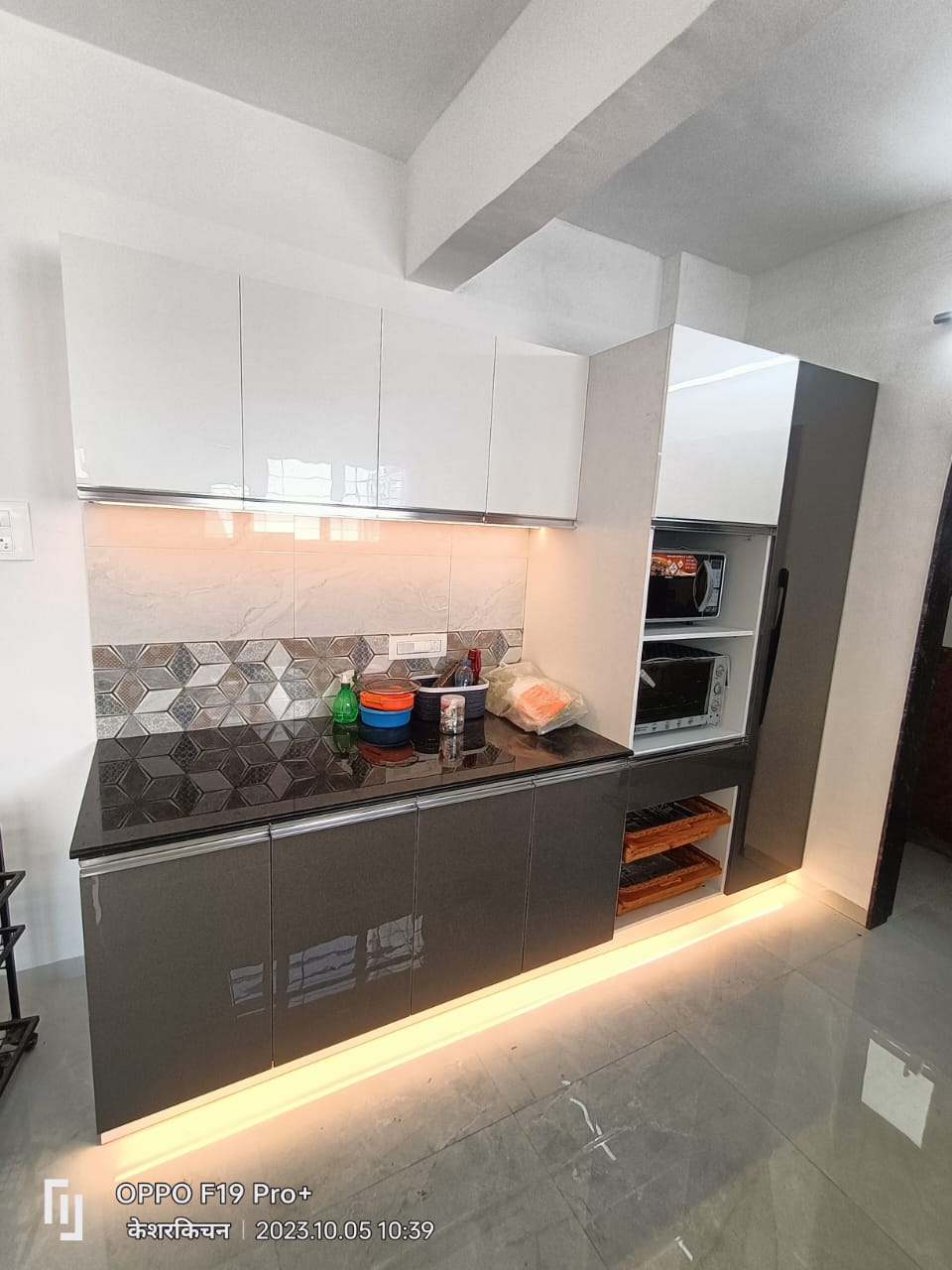 | KITCHEN INTERIOR All types of modular kitchen are manufactured in all over Pune, located in Wanawadi, Fatime Nagar, Hadapsar, Handewadi, Mohammedwadi, Kondhwa, B T... View product → |
 | HOME INTERIOR Interion Hadapsar, Home Interior Fatima Nagar, Home Interior Pune. View product → |
Frequently asked questions
What should you inspect before remodeling a home in Chandan Nagar for monsoon?
Inspect the roof, terrace, balcony, window edges, door thresholds, exterior walls, plumbing points, bathroom joints, floor traps, and routes around electrical conduits. Walk through the property during rain, photograph damp marks, and record each mark's location, size, and date.
How do you identify the source of dampness before repairing it?
Check whether moisture follows rainfall, plumbing use, condensation, or ground contact. Trace stains upward and sideways, inspect the opposite side of walls, test plumbing lines, and check external cracks before selecting sealants, waterproofing, replastering, or drainage work.
What is the correct sequence for monsoon waterproofing and home renovation?
First stop water entry and correct drainage. Then allow the area to dry, remove loose plaster or damaged finishes, repair cracks and joints, apply the specified waterproofing system, test it, and only then install paint, cabinetry, false ceilings, or flooring.
What should a remodeling contract specify for wet zones?
Specify the waterproofing product or system, surface preparation, slope and drainage details, joint treatment, curing time, flood-test duration, material grades, repair exclusions, workmanship warranty, and who pays for concealed damage discovered after demolition.
Related product
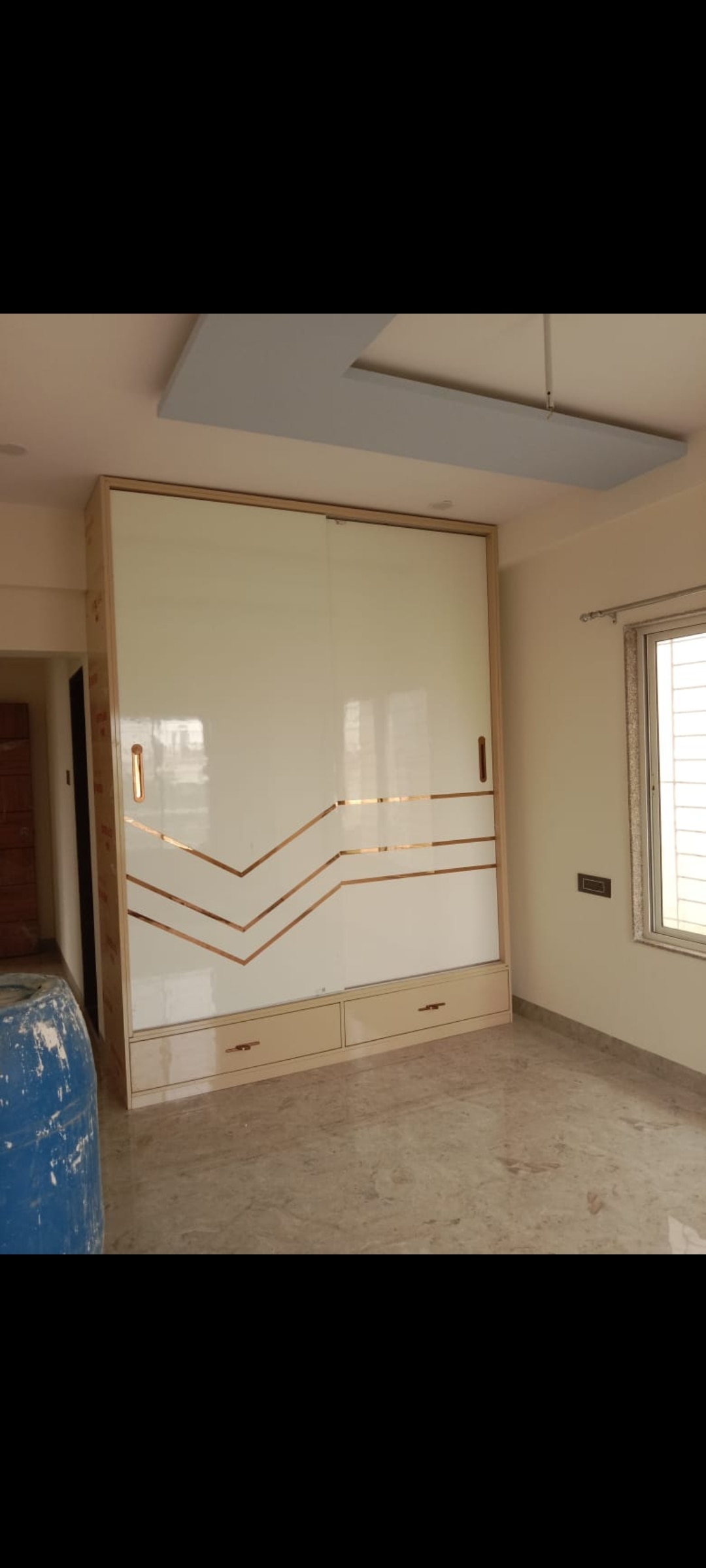 | Wardrobe Wardrobe Manufacturing in Hadapsar wardrobe Manufacturing in Wanowrie Wardrobe Manufacturing in Kharadi View product → |